
Why I Chose TRT: What Low Testosterone Felt Like for Me
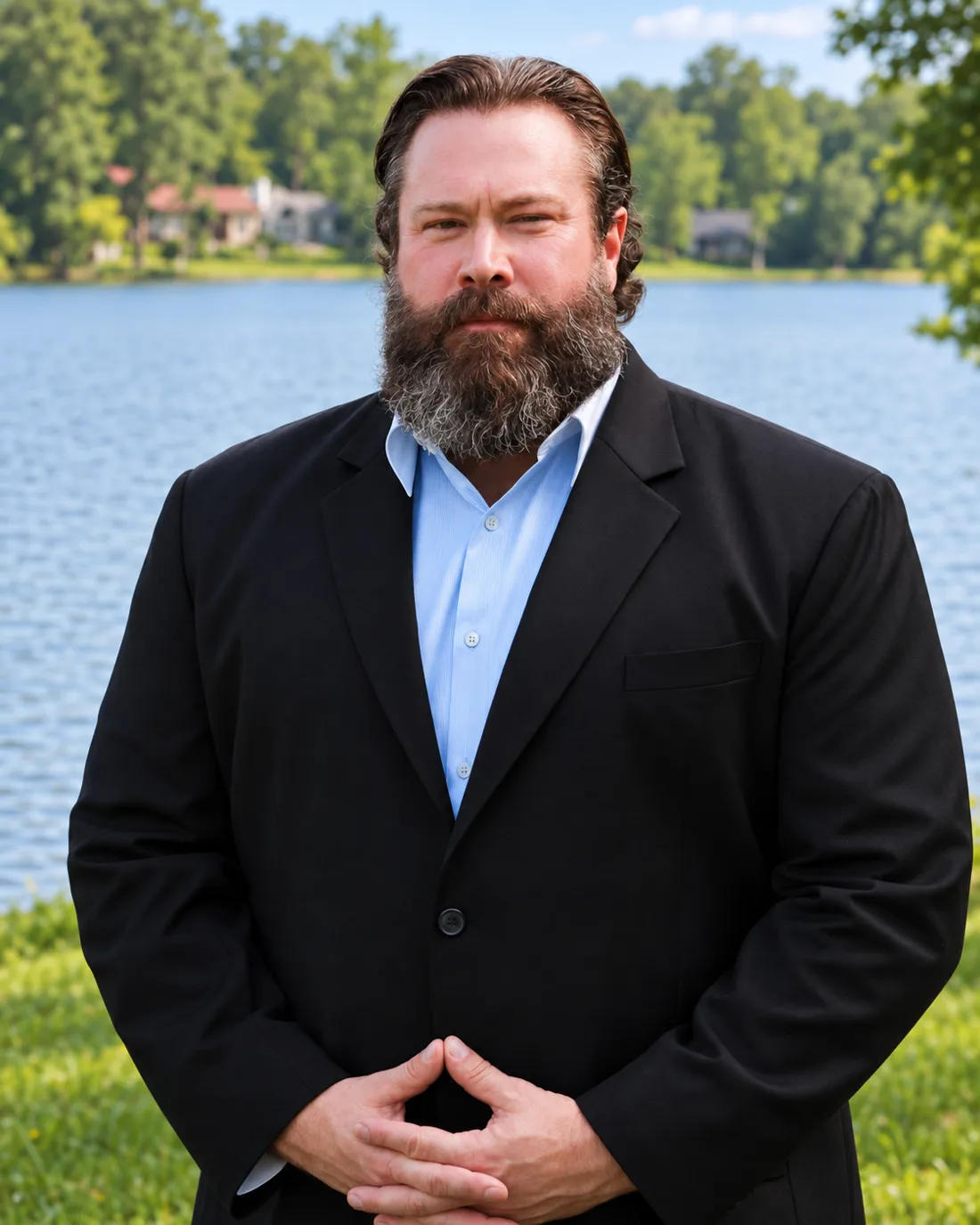
There was a point when discipline was about the only thing keeping me moving. I was still training. Still working. Still handling my responsibilities. From the outside, most people probably would not have known anything was wrong. But I knew.
My energy was gone. I was lethargic. My mood was flat. Things that normally made me happy did not seem to hit the same way anymore. My sleep was off. Recovery was getting worse. I was carrying abdominal and visceral fat that would not seem to move regardless of how hard I trained or how disciplined I was with my nutrition.
I could continue performing because I had spent most of my adult life learning how to perform whether I felt like it or not. That did not mean I was healthy.
Eventually, bloodwork confirmed something I could not simply out-discipline: my total testosterone was low. That result did not automatically tell me what treatment I needed. What it did was give my doctors and me an objective place to start figuring out what was actually going on.
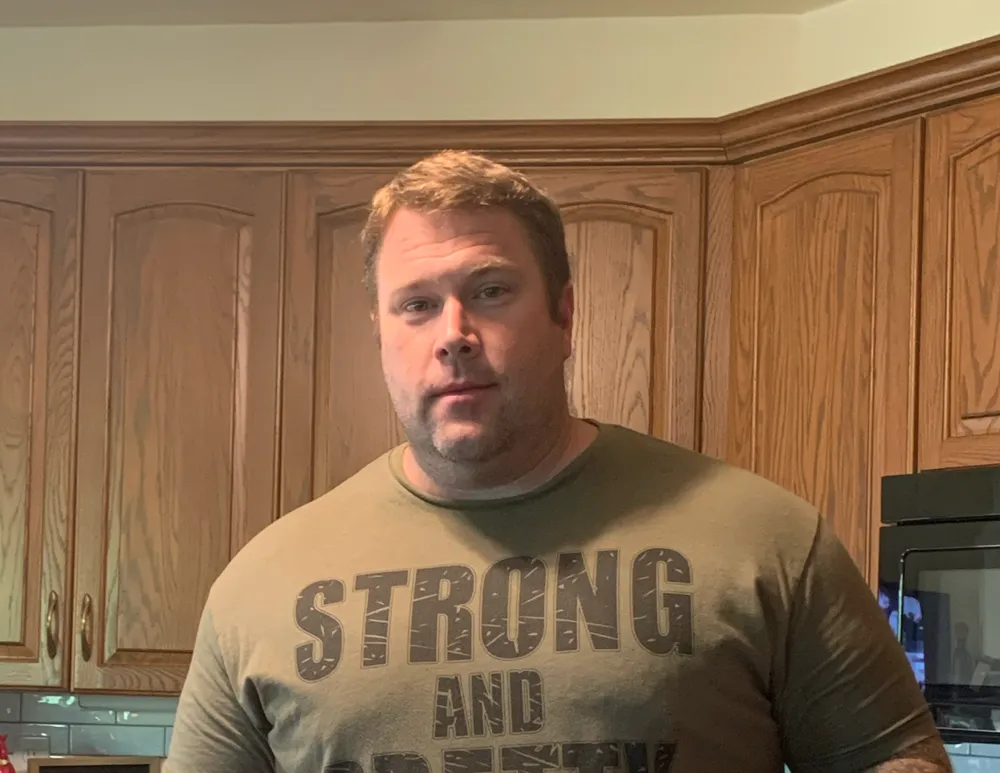
Symptoms Are Information. They Are Not a Diagnosis.
Looking back, I had many of the symptoms commonly associated with low testosterone. Fatigue. Low energy. Changes in mood. Poor recovery. Increased body fat. Trouble sleeping. A general feeling that I was not myself.
But here is something I think men need to understand. Those symptoms do not automatically mean you have low testosterone.
Poor sleep can make you feel terrible. Sleep apnea can make you feel terrible. Stress, depression, thyroid issues, poor nutrition, chronic illness, medications, and a long list of other things can produce many of the same symptoms.
That is why I keep coming back to one simple principle:
Test. Don’t guess.
I do not believe a man should watch three videos about testosterone, recognize a few symptoms, and decide he needs TRT. I also do not believe a man should spend years ignoring what his body is telling him because he thinks feeling terrible is simply part of getting older.
Get the information. Then start asking better questions.
I Did Not Start With Testosterone
I did not immediately jump on TRT. That part of the story matters to me because I wanted to see whether I could improve things without replacing testosterone first.
Under physician care, I first tried approaches aimed at supporting my body’s own testosterone production before moving to replacement therapy. We tried more than one medically supervised approach. My lab numbers improved, but I still did not feel like myself.
But this is where I learned that chasing a laboratory number by itself can be misleading. I was still training hard. I was still working on my nutrition. I was still trying to improve my sleep and recovery. I changed how I ate, tightened up my nutrition, and did everything I reasonably knew to do to create a better environment for my body. I was not looking for an easy button. I was trying to find the problem.
The Supernova Effect
Looking back on my military career, this experience also helped shape something I now call The Supernova Effect. A supernova produces tremendous energy before the system finally collapses.
That is a good description of how I lived for a long time. High output. Hard training. Operational stress. Travel. Inconsistent sleep. More work. More responsibility. Then repeat it again and again.
You can maintain extraordinary output for a long time when you are disciplined enough. That does not mean the system underneath you is recovering.
I spent more than 26 years in the military, beginning in Marine Corps infantry and later serving 17 years as a Navy SEAL. For much of that career, the expectation was simple: perform.
You perform tired. You perform hungry. You perform stressed. You perform when you hurt. You perform because other people are depending on you. That mentality served me extremely well professionally.
Eventually, I also had to learn that there is a physiological bill that comes due when output consistently exceeds recovery. I cannot tell another veteran that combat, deployments, or an operational career caused his low testosterone simply because I experienced mine after years of running hard. That would be irresponsible.
What I can tell him is this:
Pay attention to your health before your body forces you to. The Supernova Effect is my performance framework. It is not a medical diagnosis. It is a way of explaining what can happen when sustained output keeps increasing while recovery continues falling behind.
Why I Finally Chose TRT
By that point, I had spoken with multiple physicians in different states. I had repeated bloodwork. I had tried different approaches. I had changed my nutrition. I had worked on sleep. I had continued training. I had spent a lot of time trying to understand what was happening rather than simply accepting that I felt terrible.
Eventually, physician-directed testosterone replacement therapy became the decision that made sense for me. And even then, we did not treat it like flipping a switch. We took a stair-step approach. I started conservatively. We allowed time for my body to respond. Then we repeated bloodwork, looked at how I was feeling, looked at the rest of my health markers, and made adjustments with my clinician.
That process continued until we found a place where both the laboratory data and how I actually felt made sense together.
For me, under my current medical supervision, that has been a very good place. I feel like myself again. I have energy. My mood is better. I actually get excited about things again. My training and recovery are better. My sleep has improved as I have continued working on it. My body composition has changed as well.
I want to be very clear about something. I am not going to tell you testosterone changed my body by itself. It did not. I trained. I changed my nutrition. I worked on my sleep. I monitored my health. I stayed disciplined. TRT was one piece of a much larger process.
This is my experience under my clinician’s care. Results may vary depending on the individual.
TRT Did Not Replace the Work
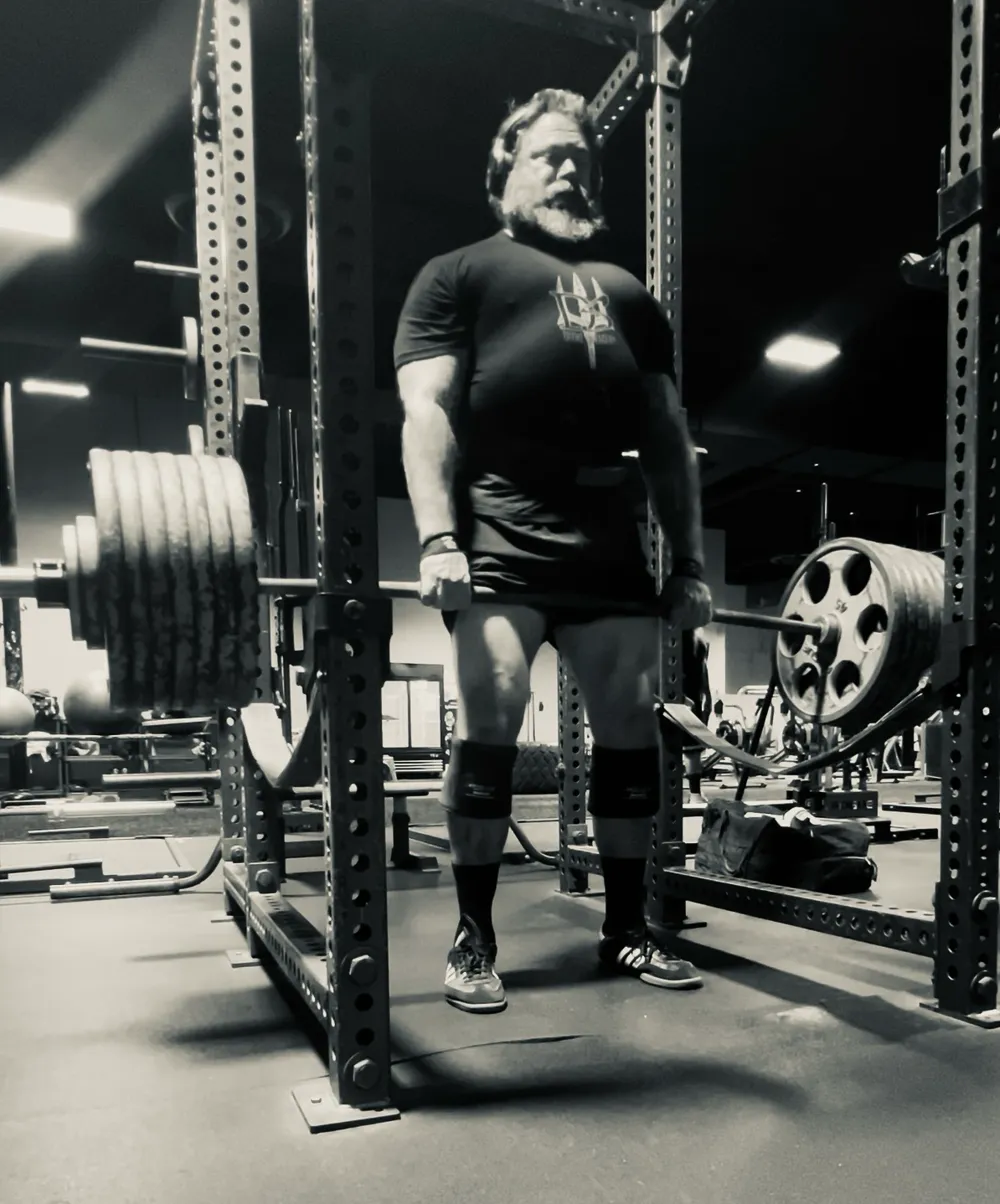
This may be the most important part of my story. TRT did not replace discipline. It did not replace strength training. It did not replace real food. It did not replace sleep. It did not replace conditioning. It did not replace recovery. And it certainly did not turn me into somebody I was not already willing to work to become.
For a man who truly has testosterone deficiency, properly prescribed testosterone replacement therapy can be a legitimate medical treatment. That does not mean it is right for every man.
It can affect fertility. It can affect blood counts. It requires monitoring. There are risks, tradeoffs, and individual considerations that belong in a conversation between a patient and a qualified clinician. TRT is not a masculinity badge. It is not a personality. It is not a shortcut to getting jacked. For me, it was treatment for a real physiological problem that bloodwork and clinical evaluation helped identify.
If Something Feels Wrong, Start With the Truth
One of the reasons I am willing to talk about this publicly is because I know how many men simply keep grinding. They are exhausted. They are carrying body fat they cannot seem to get rid of. They are recovering poorly. They are sleeping badly. Their mood is off. They do not feel like themselves anymore.
And because they have responsibilities, they simply keep pushing. I understand that mentality because I lived it. Some of those men will have low testosterone. Some will not.
That is exactly why I keep coming back to the same principle:
Test. Don’t guess.
Do not diagnose yourself from Instagram. Do not buy a bottle promising to boost testosterone because somebody with an affiliate code told you it would. Do not automatically assume TRT is the answer.
Find out what is actually happening. Get objective information. Look at the whole picture. Ask better questions. Then work with a licensed clinician who can help determine what actually makes sense for you. That is what finally changed the direction of my own health.
I wish I had understood it sooner.
Start With Data
If something does not feel right, the first step is not guessing at the treatment. The first step is establishing the truth. Start with the bloodwork.
Understand your numbers. Then have an intelligent conversation with a qualified clinician about what those numbers mean in the context of your symptoms, health, lifestyle, and goals.
That is where I believe responsible hormone care starts.
Test. Don’t guess.
Not sure where you stand? Start with the data, not a guess.
Manly.Health offers lab testing and connects you with licensed clinicians through Altro, who can evaluate your individual situation and determine whether any treatment is appropriate.
Learn about labs
Tommy is a paid Founding Spokesman & Brand Partner for Manly.Health.